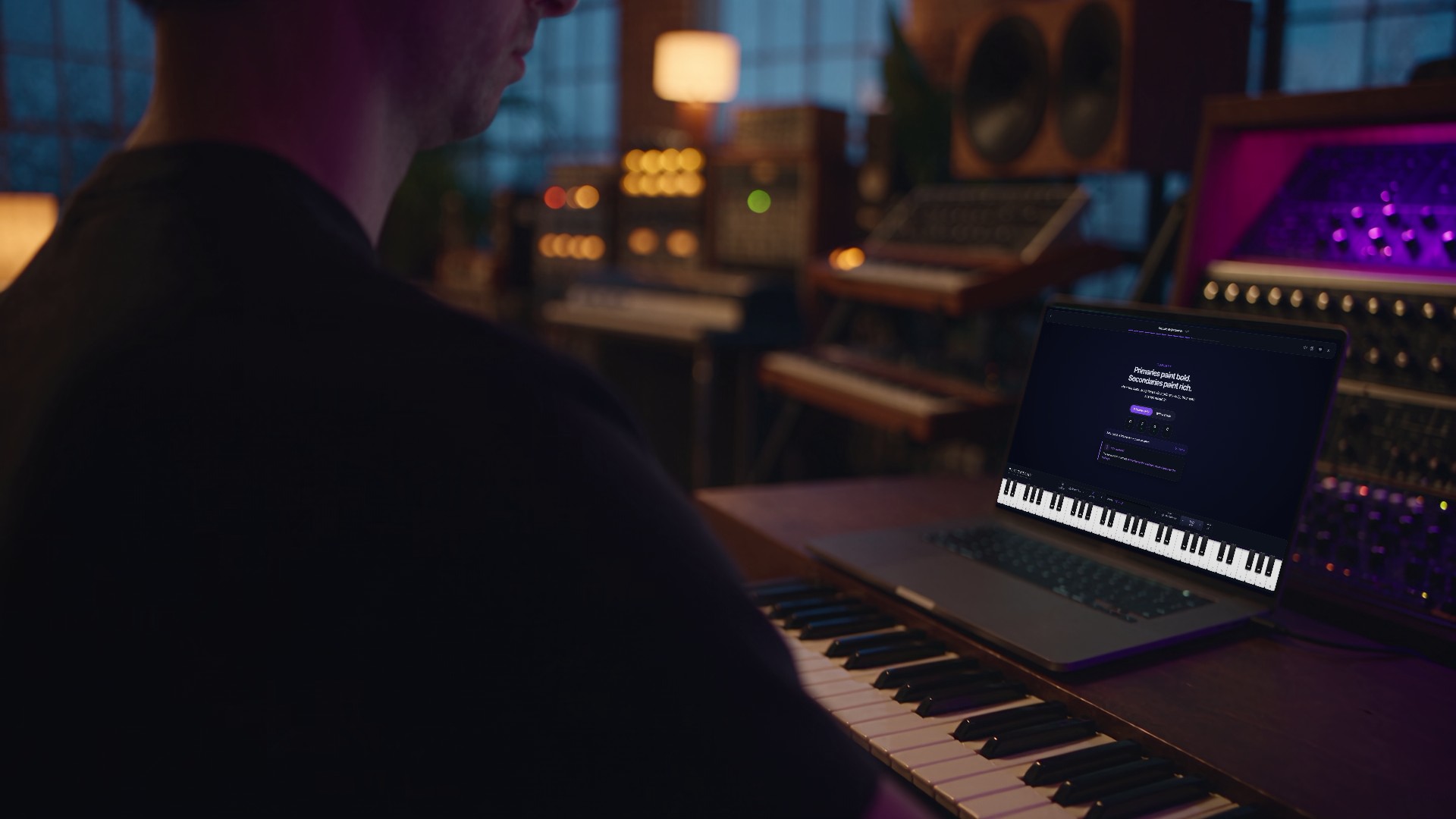

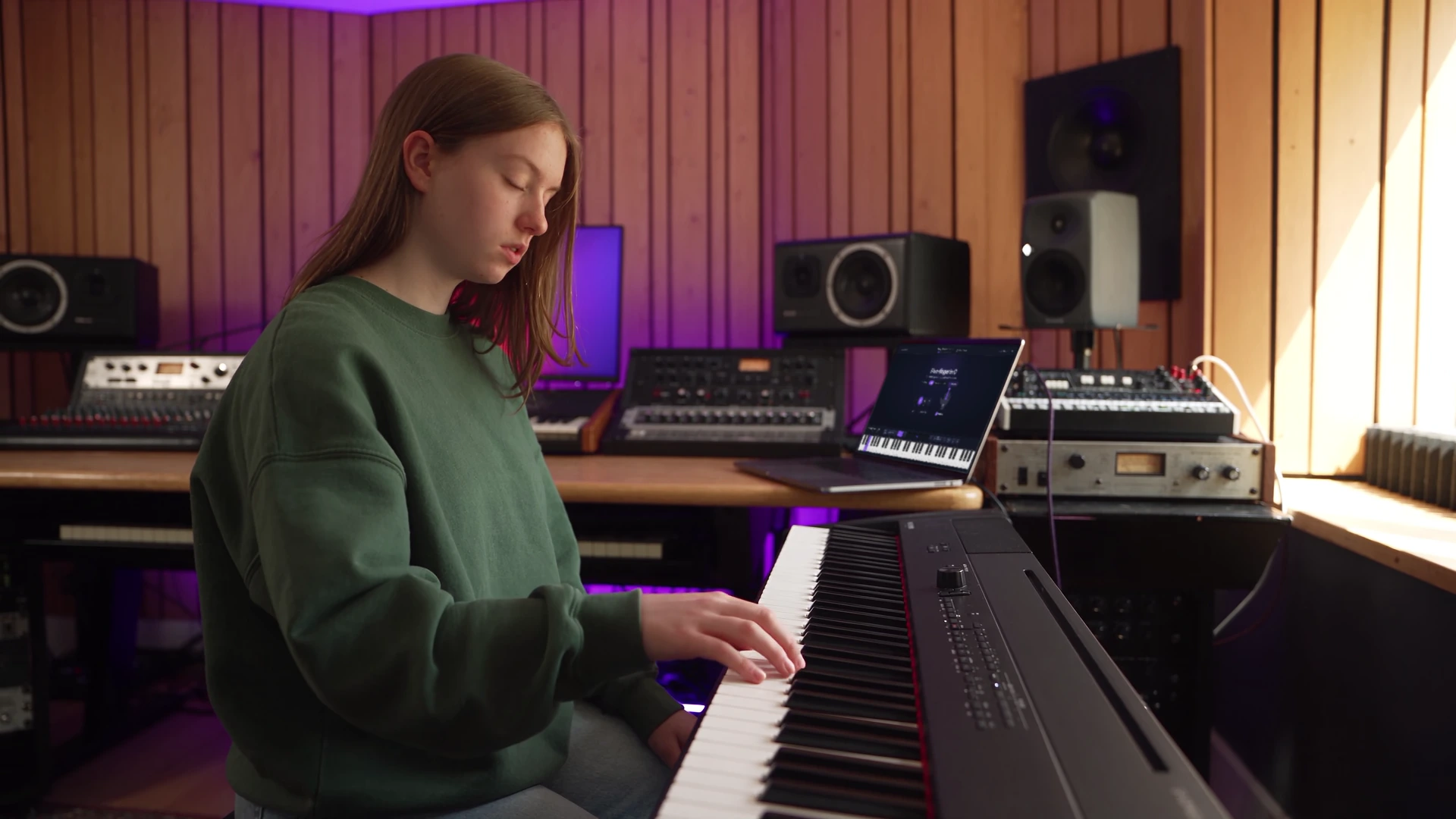



A learner playing a PlayTheory lesson on a MIDI keyboard in a home studio

    Music theory for real players

    Music theory you learn with your hands.

    Every lesson waits for you to play it. Notes, chords and scales stop being facts to memorise and start being things you can hear and do.

    Free to start, no card needed. Want everything? Try Pro free for 7 days.

    721 learners on PlayTheory

    Try a lesson step, no account needed
    Build

    Play your first chord.

    Press the three notes of C major — C, then E, then G. Then hear them as one.

    C
    C
    E
    G
    0/ 3built
    Tap the keys, or use A S D F G H J K on your keyboard.
    Musiciangoods

    From the team behind Musiciangoods

    The people who wrote the Music Theory Simplified books built PlayTheory, so you play every idea instead of reading about it.

    musicians taught
    200,000+
    on Trustpilot
    4.4
    bestselling books
    5

    Why it's different

    From watching to playing.

    This isn't more information. It's a different way of taking it in: with your hands, with feedback, a little every day.

    Traditional ways

    Lots of theory. Not much playing.

    • YouTube tutorialsYou watch, you nod, you forget. Nothing checks whether you can actually play it.
    • Theory booksWritten for people who already read sheet music. A fine reference, but no feedback and no practice built in.
    • A private teacherThe best feedback there is, but one hour a week, at a teacher's price, and homework you have to organise yourself.
    • Quiz-style appsTap the right answer on a multiple-choice card. Your hands never touch a key.
    PlayTheory

    You don't just learn it. You play it.

    • Play on screen or on your own keyboardEvery step waits for you to play it: on the on-screen piano, your computer keyboard or a MIDI keyboard.
    • Instant feedbackNote by note: right, wrong, and what to try next.
    • A daily practice built for youFive to twenty minutes of exercises and games, from what you've learned and what you're forgetting.
    Play a C major chordPress C, E and G, in any order.
    0/ 3 notes
    • Games
    • Ear training
    • Voice guidance
    • Daily practice

    Inside a lesson

    Every idea is something you play.

    A lesson is a chain of short steps. Each one shows you a concept on a keyboard you can hear, then waits for you to play it on the piano at the bottom before it moves on.

    • Concept, then keysOne idea per step. You see it, you hear it, then you play it: on screen, on your computer keyboard, or on a MIDI keyboard.
    • Play to advancePractice steps have no Continue button to skim past. The step listens, and moves on when you've played the right notes.
    • Eight core modules, three advancedFrom finding your first note to the circle of fifths, in an order where each lesson builds on what you just played.

    Learn Assist

    A tutor inside every step.

    Stuck? Learn Assist knows exactly which step you're on. Ask it anything, or tap a quick prompt: explain this in simpler words, give me an example, why does this matter. It can also read each step aloud, with subtitles if you'd rather read.

    Three uses a day on the free plan. Unlimited with Pro.

    See it in action

    Your practice, from first question to first session.

    The practice hub as it is in the app today. Tap a step, or let it play.

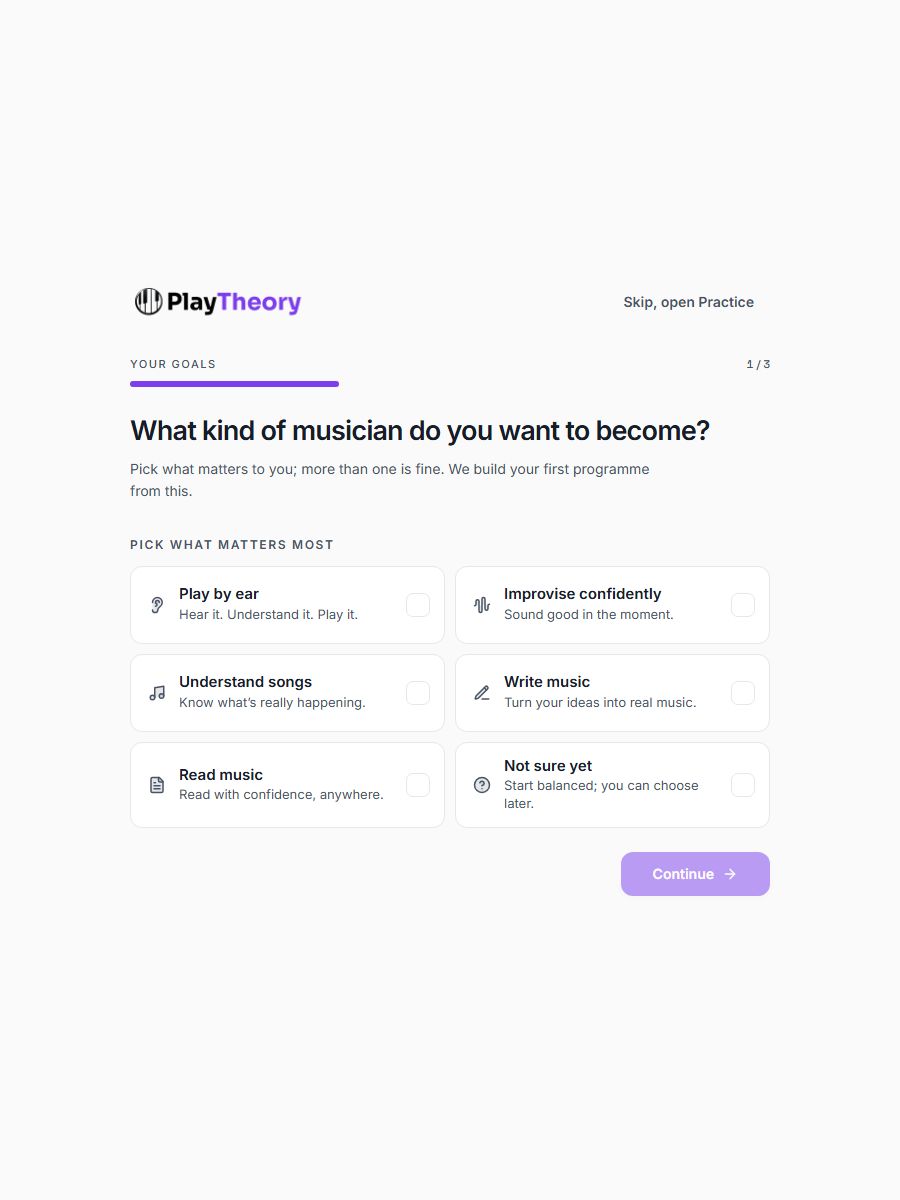
    Practice setup, step 1 of 3: what kind of musician do you want to become?

    Three quick questions: the musician you want to become, your goals, your routine. Your first programme is built from this.

    Try it yourself. It's free to start.

    No card and no download. Your first lesson is a few taps away, and the piano is already on the screen.

    Start free

    Your music. Your pace.

    First notes or fresh perspective. Start where you are.

    New to music theory, returning to your instrument, or ready to understand what you already play? Build from the foundations and put each idea into practice. For learners aged 16 and over.

    A young learner practising a five-finger exercise at a keyboard in a music studio

    The curriculum

    From your first note to the circle of fifths.

    Eight core modules, free to reach. Three advanced modules with Pro. Tap a module to see what's inside.

    Core modules

    Advanced modules

    Module 1

    The Fundamentals of Piano

    Find every note on the keyboard, hear how octaves work and take your first half and whole steps.

    • Foundation
    • Building Blocks
    • Recital

    8 lessons · Free to reach

    The 12-note pattern: find C from the two black keys

    C
    D
    E
    F
    G
    A
    B
    C
    C#
    D#
    F#
    G#
    A#
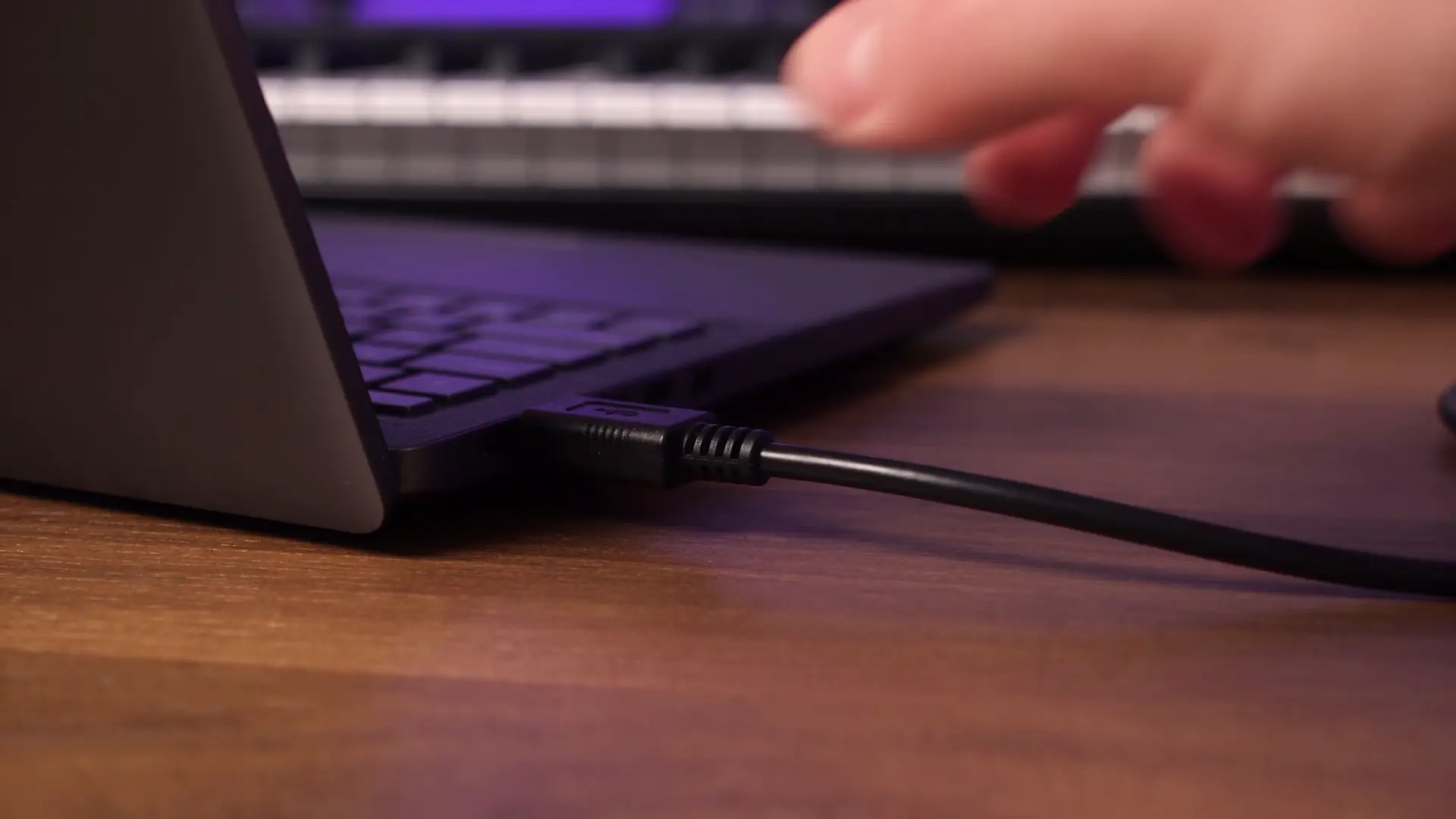
    A USB cable connecting to a laptop, followed by a musician playing a MIDI keyboard

    With Pro

    Plug in your keyboard. PlayTheory hears you.

    Connect any USB MIDI keyboard and play every lesson on real keys. Works in Chrome, Edge and Firefox.

    See plans

    Early testers

    What the first players say.

    People who tested PlayTheory before launch, in their own words.

    • Alex MorganIndie songwriter
      “I've played chords for years without understanding them. This was the first time I could actually see why those notes belong together.”
    • Sophie BennettPiano teacher
      “Usually I read an explanation, think I understand it, then forget it. Having to play the idea myself made me realize what I understood, and what I didn't.”
    • Daniel BrooksSinger-songwriter
      “I came in thinking music theory was something you had to get through before making music. Here, making music is how you learn it.”
    • Maya CollinsProducer
      “The biggest change is sitting down at my keyboard and knowing what to practice. I used to spend more time looking for lessons than actually playing.”
    • James ParkerSinger-songwriter
      “I thought I was starting from zero. When I played my first chord and understood what made it work, the piano suddenly felt less intimidating.”

    Quotes from early testers who agreed to be named. Not edited beyond length.

    Start free

    Read this before you blame yourself

    Music theory wasn't hard. The explanations were.

    Most theory books were written by classically trained pianists for conservatory students. They assumed you read sheet music. They used Italian terms. They asked you to memorise forty modes before you had played a single song.

    That format was never built for people who learn by seeing, hearing and playing. The information wasn't wrong; the delivery was. PlayTheory fixes the delivery: every idea is something you play, on a piano that listens.
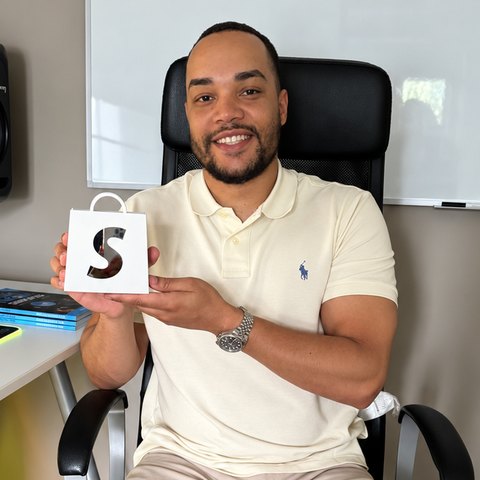
    Melvin Tellier in his studio, holding an award, with his music theory books on the desk
    “I started in 2008 with a MIDI keyboard and FL Studio, no theory. From 2010 to 2015 I taught music production on YouTube as MellaMayne, but I still couldn't really play. Years later, after my first book, Music Theory Simplified, found readers, PlayTheory became the next step: the same method, but you play it.”

    — Melvin Tellier · Author of bestselling music theory books · Creator of PlayTheory · Founder, Musiciangoods · Self-taught since 2008


    Theory clicks when you stop trying to memorise it and start playing it.

    Pricing

    Free to start. Pro if you want everything.

    Free needs no card and stays free. Want everything? Try Pro free for 7 days: the trial takes a card, and if you switch to Free before day 7 you pay nothing.

    Free

    Learn at your own pace. No card needed, and Free stays free.

    $0

    • The eight core modules
    • 3 lessons a day
    • 1 practice session a day
    • On-screen and computer-keyboard piano
    • Includes ads

    Pro

    Best value

    Everything, without limits.

    $9.99/ month

    Launch price · Billed monthly

    • Unlimited lessons every day
    • Three advanced modules
    • Every exercise and practice session
    • MIDI keyboard support
    • Ad-free

    Then $9.99 / month, unless you switch to Free before day 7.

    Prices include VAT and are shown in your local currency where available. Card, iDEAL, Bancontact, SEPA and PayPal.

    FAQ

    Good questions, short answers.

    Start free

    Newsletter

    One theory idea in your inbox, every week.

    A short lesson you can play in five minutes, plus what's new in PlayTheory. No spam, unsubscribe in one click.

    By subscribing you agree to receive emails from PlayTheory. See our privacy policy.